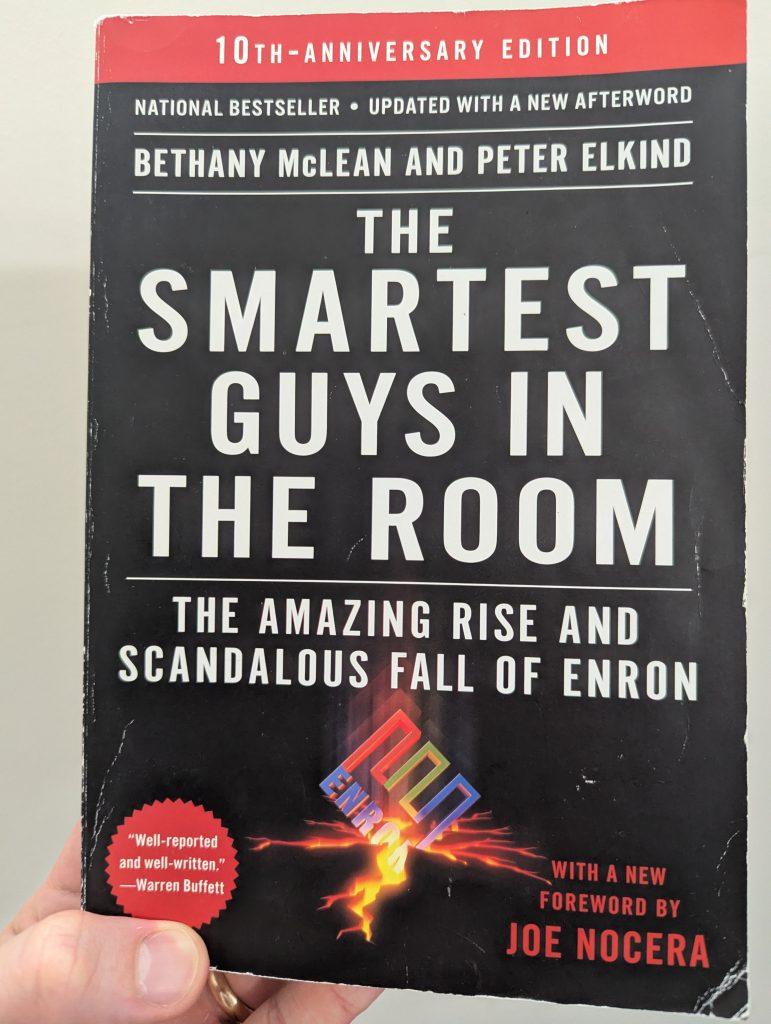

The first chapter contains some factual errors which, while superficial, hurt the credibility of the text. Later, we see Paul Allen’s name mangled. The author was a New Yorker writer, but the New Yorker’s famous fact checkers didn’t get their hands on this one. This didn’t diminish my enjoyment too much however; I was looking for broad strokes anyway.
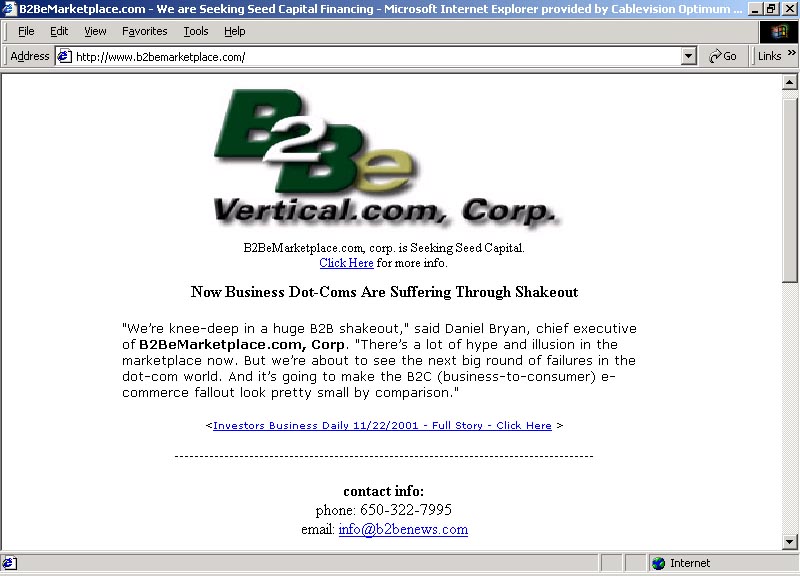
Each chapter can more or less stand on its own as an article; we follow many different characters (and companies) that only occasionally reappear, like Amazon and Alan Greenspan so there is some continuity. And don’t worry, as you’re probably wondering with the mention of Greenspan, you will hear all about “Irrational Exuberance.” But he’s also taken to task for practicing the non-interventionism you’d expect from a personal associate of Ayn Rand. The author seems to take a rather dim view of Amazon, using it as a proxy for other companies with absurd P&E ratios and seemed to be under the impression that B&N was going to eat their lunch. But for every Amazon or WebMD you see mentioned you will see a dozen companies you’ve never heard of, long defunct.

There’s some wonderful archaic language, like when users ‘call up’ a Web page. But that’s mostly what we get for flavor. The perspective is that of someone watching the stock market for the most part, we don’t get a close view of what it was like for people to actually use these services, what it was like to work at one of these companies, or what it was like when it all came crashing down. I would have liked more of that. The Great Beanie Baby Bubble (Bissonnette, 2014) sort of sets the standard in this regard. That said, I can’t blame the author too much for this, because it’s from 2002 when it was still fresh in the minds of his audience, who had lived it.
Two things that resonate with our present moment are as follows:
The “Productivity Paradox” is something I haven’t seen named before but makes some kind of sense. The introduction of the internet to business was supposed to make everyone so productive per-capita that we’d be swimming in goods and services. That theory was part of how they justified insane P&E ratios, the idea that some time in the future the products would start showing huge profitability because of this. We’re operating under a very similar theory now, complete with the lack of productivity gains.

The other thing is the complicity of the media in creating the bubble. How Day Trading became almost a national sport is discussed at length. There are echoes of that too now; breathless coverage of AI Doom, access journalism, and until recently failing to point out the absurdity of these companies claims. I suppose it doesn’t help that this time around, some major outlets are owned by the same folks who run tech giants. I don’t expect 60 minutes to, for example, run an Ed Zitron style article on Oracle.
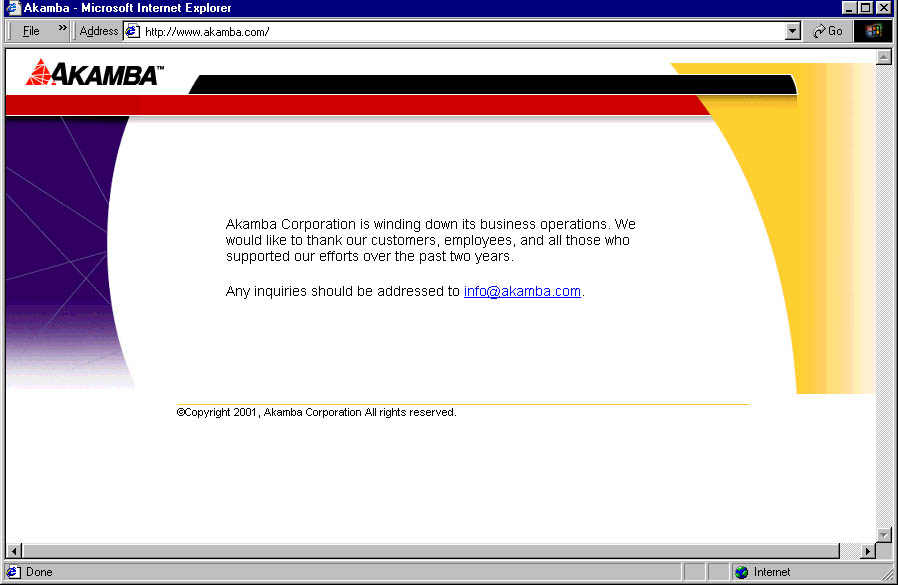
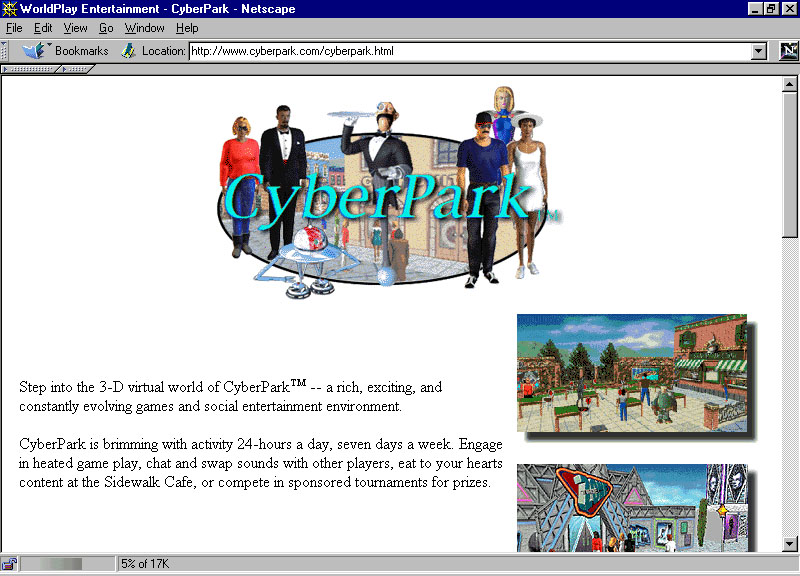
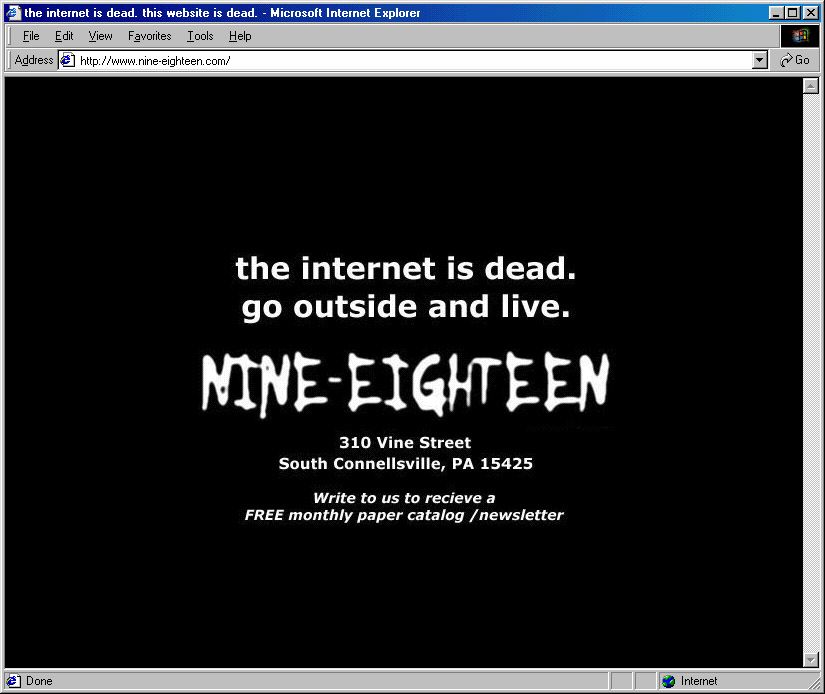
I’d like to add that the book pointed to a site which catalogued dead dot-coms and, now only really available in the archive, serves as a window into what the web looked like in 2001. The screenshots preserve many sites that the archive either didn’t save or didn’t fully save. You can find them here (and I’ve used a few to illustrate this review.) I think the interaction of web and print in this way is interesting because diving for sites deep in the archive can be a challenge and having links that act as entry points really helps.
I can’t tell you what the future holds, but I do think it’s instructive to look back on this particular time period right now. I’d recommend this read for anyone who currently feels like they’re being Truman Show’d by the tech industry right now.