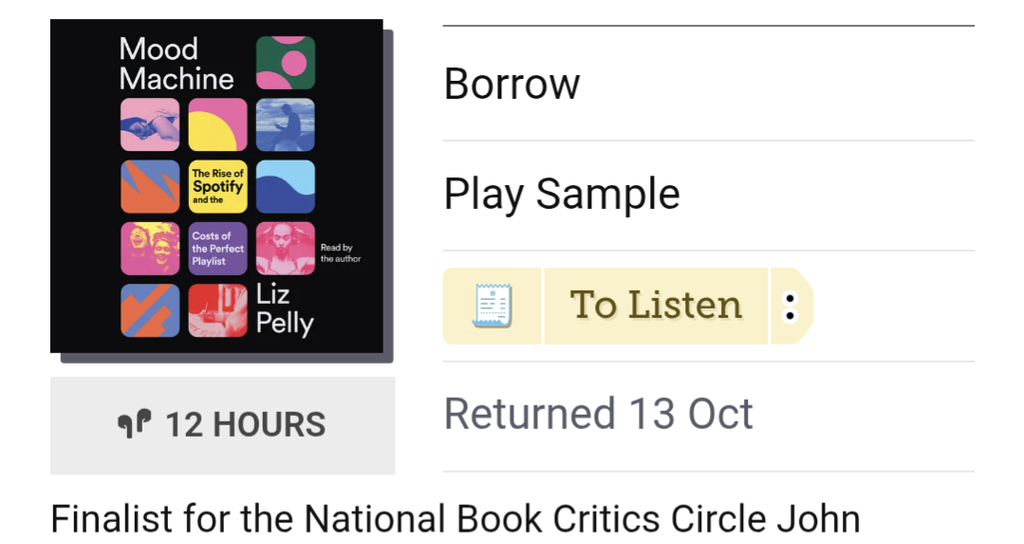
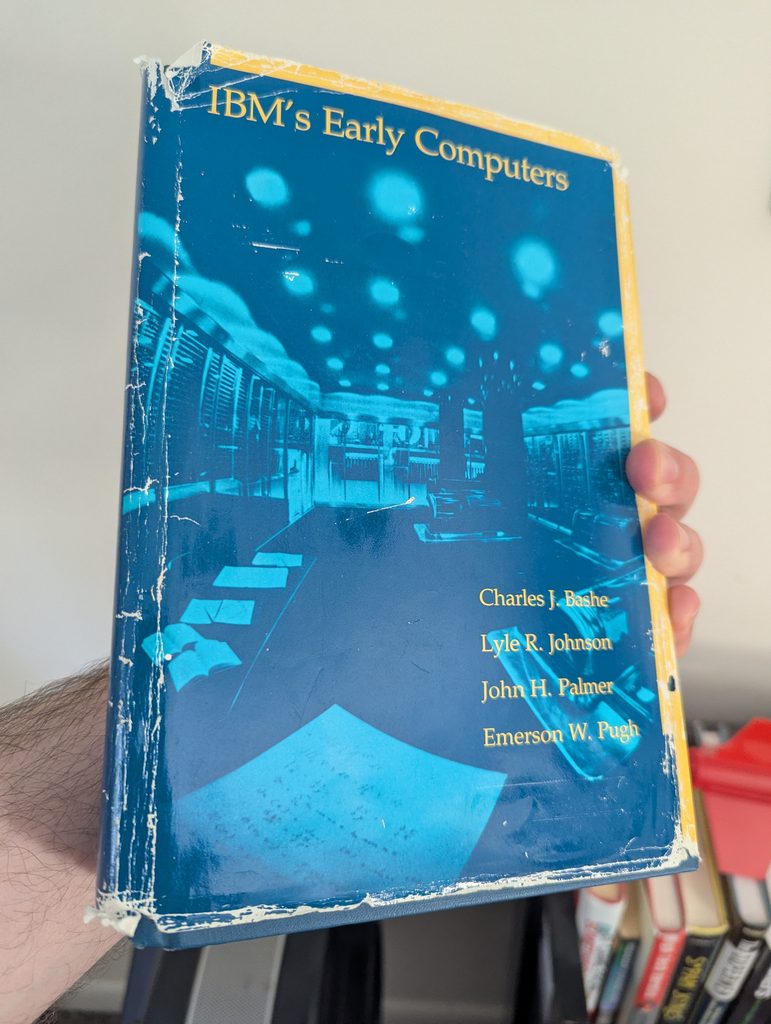
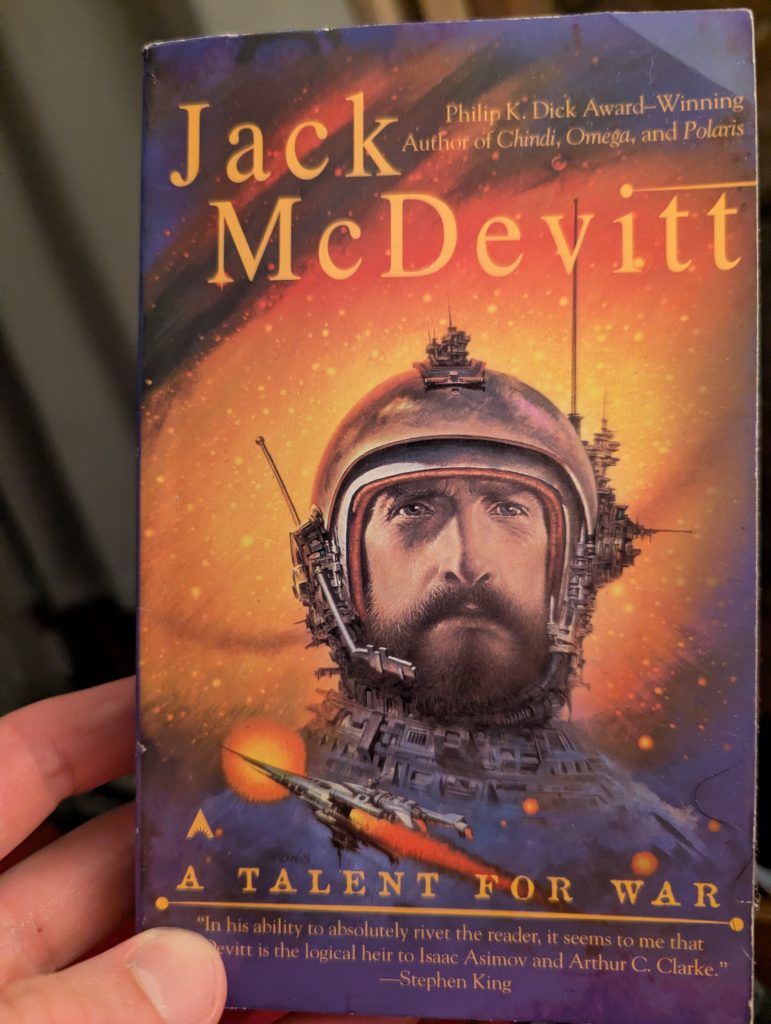
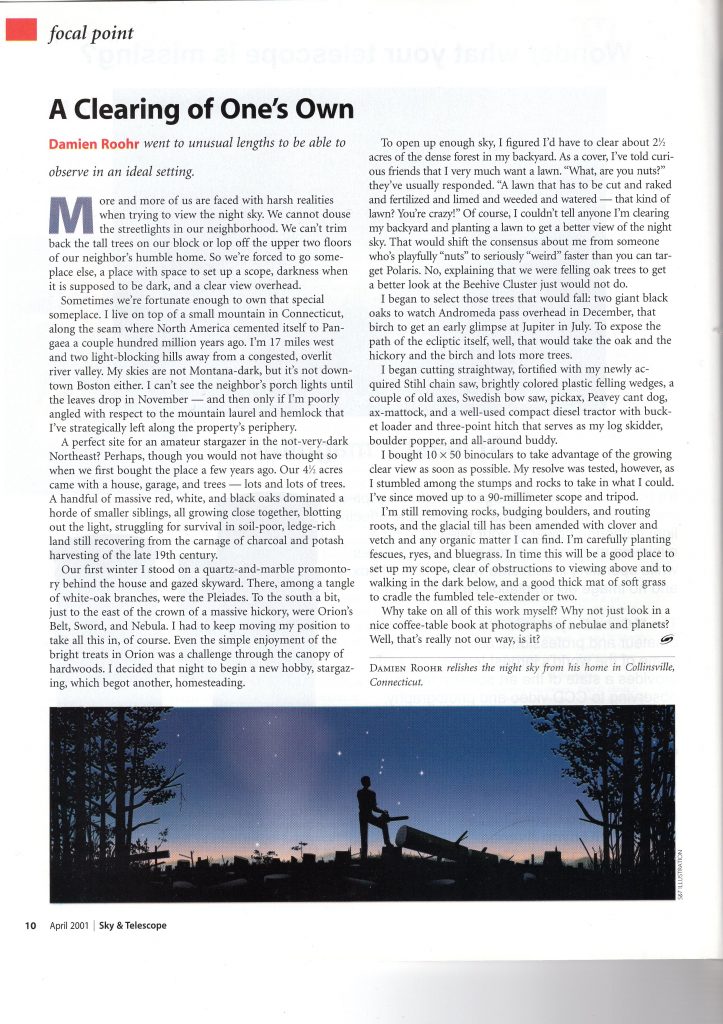
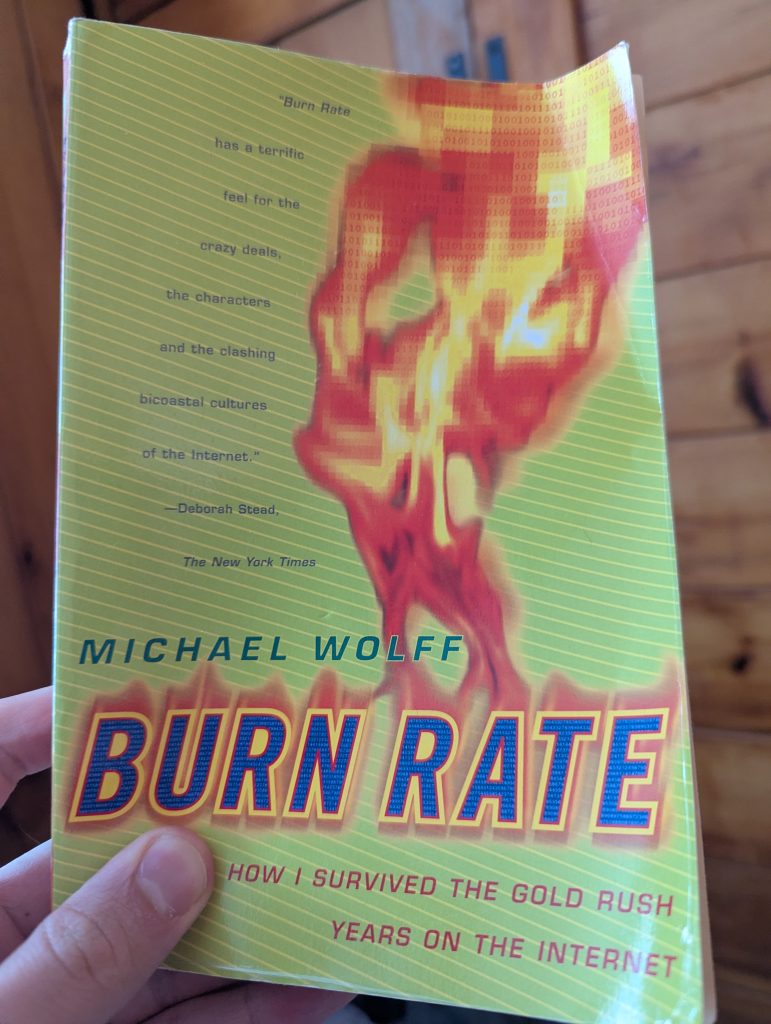
dot.con (Cassidy, 2002)

The first chapter contains some factual errors which, while superficial, hurt the credibility of the text. Later, we see Paul Allen’s name mangled. The author was a New Yorker writer, but the New Yorker’s famous fact checkers didn’t get their hands on this one. This didn’t diminish my enjoyment too much however; I was looking for broad strokes anyway.

Each chapter can more or less stand on its own as an article; we follow many different characters (and companies) that only occasionally reappear, like Amazon and Alan Greenspan so there is some continuity. And don’t worry, as you’re probably wondering with the mention of Greenspan, you will hear all about “Irrational Exuberance.” But he’s also taken to task for practicing the non-interventionism you’d expect from a personal associate of Ayn Rand. The author seems to take a rather dim view of Amazon, using it as a proxy for other companies with absurd P&E ratios and seemed to be under the impression that B&N was going to eat their lunch. But for every Amazon or WebMD you see mentioned you will see a dozen companies you’ve never heard of, long defunct.

There’s some wonderful archaic language, like when users ‘call up’ a Web page. But that’s mostly what we get for flavor. The perspective is that of someone watching the stock market for the most part, we don’t get a close view of what it was like for people to actually use these services, what it was like to work at one of these companies, or what it was like when it all came crashing down. I would have liked more of that. The Great Beanie Baby Bubble (Bissonnette, 2014) sort of sets the standard in this regard. That said, I can’t blame the author too much for this, because it’s from 2002 when it was still fresh in the minds of his audience, who had lived it.

Two things that resonate with our present moment are as follows:

The “Productivity Paradox” is something I haven’t seen named before but makes some kind of sense. The introduction of the internet to business was supposed to make everyone so productive per-capita that we’d be swimming in goods and services. That theory was part of how they justified insane P&E ratios, the idea that some time in the future the products would start showing huge profitability because of this. We’re operating under a very similar theory now, complete with the lack of productivity gains.

The other thing is the complicity of the media in creating the bubble. How Day Trading became almost a national sport is discussed at length. There are echoes of that too now; breathless coverage of AI Doom, access journalism, and until recently failing to point out the absurdity of these companies claims. I suppose it doesn’t help that this time around, some major outlets are owned by the same folks who run tech giants. I don’t expect 60 minutes to, for example, run an Ed Zitron style article on Oracle.

I’d like to add that the book pointed to a site which catalogued dead dot-coms and, now only really available in the archive, serves as a window into what the web looked like in 2001. The screenshots preserve many sites that the archive either didn’t save or didn’t fully save. You can find them here (and I’ve used a few to illustrate this review.) I think the interaction of web and print in this way is interesting because diving for sites deep in the archive can be a challenge and having links that act as entry points really helps.

I can’t tell you what the future holds, but I do think it’s instructive to look back on this particular time period right now. I’d recommend this read for anyone who currently feels like they’re being Truman Show’d by the tech industry right now.

Supervolcanoes (Andrews, 2021, audio)

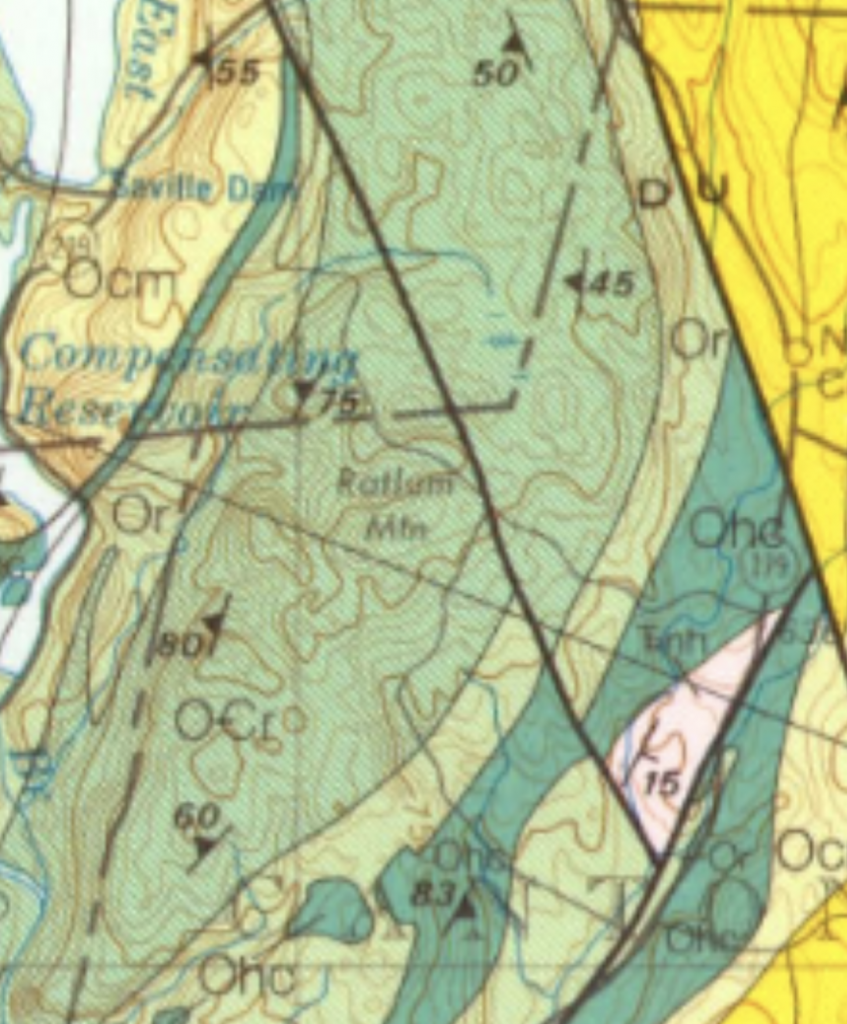
This book seems largely constructed out of interviews rather than following people doing field work around. This is understandable to some extent, we can’t expect the author to fly to mars.

I really like the summary of Mars geology here, a lot more color than Wikipedia and also a better sense of what’s settled and what isn’t. Ditto for the Moon and Venus.

A lot of pop culture references, not the elevated reading experience of a McPhee or a Winchester. But the Rhode Island style sizing at least sticks in your head. Yellowstone has an upper magma chamber the size of Manhattan and a lower magma chamber the size of New York City. I think it’s best understood as a work of Science Communication rather than Journalism (or even Science Literature.) It takes pains to make sure you get good understandings of the conceptual stuff but also just as often loses itself in figures.

The color is nice though. By color I mean what you don’t get by reading Wikipedia-you get the candid takes of scientists saying what they think but can’t prove yet. Volcano hot takes, if you will.

The Smartest Guys in the Room (2003)

Photograph of the cover of the book

Like the story of a plane crash or bridge collapse you know what’s going to happen. Gravity is going to win in the end, and so it is with Enron. A company that tried to defy the laws of thermodynamics and conjure money from thin air with a sort of accounting perpetual motion machine. It’s an old story, over twenty five years now, but the details of the collapse still hold fascination. And there’s a bit more catharsis involved when you’re rooting for failure then when you are rooting for the pilots to land the plane against all odds in an episode of Mayday.

There’s another compelling reason to read this story in the spring of 2026 though. The inescapable drumbeat of AI calls to mind the story of Enron, so I thought it made sense to go over the history. I’m not going to write my own version of an Ed Zitron article, because he’s already done it, better than I could have. I planned on going through everything in the book and linking it to specific articles, but I don’t think that’s really needed or particularly original. So I’ll leave you with the impression of reading it: it’s well paced, well written, and contains a great amount of flavor-of-the-time, something I always look for when I chase nostalgia. They make the financial shenanigans underpinning Enron’s rampant fraud in a way comprehensible to non-accountants. They have a keen sense for when a sentence is going to land with an audible thud for the reader and structure their prose to deliver maximum impact. I have seen a lot of business literature and it rarely reaches this level of craft.

March / April ’26 Web Links

booksalefinder.com

“Since 1994” sort of says it all? This old school HTML Gem (think Craigslist) lists book sales. Book sales are an important resource if you like to read and also don’t like buying books at sticker price. You can often find old stuff you never would have seen shelved, as long as you’re willing to look past hundreds of copies of thrillers and mystery novels.

web.badges.world

Adorable. I can’t decide where I want to put some of these on my site but rest assured I will find somewhere eventually!

Native Instruments GmbH preliminary insolvency: now in merger & acquisition process (synthanatomy.com)

Wild to hear that software instrument institution Native Instruments is doing so poorly. Massive and Kontakakt were staples. I never used their stuff though, too rich for my blood.

bbkb-community.github.io

People of a certain age (such as myself) remember the heyday of keyboard phones. The typing experience was actually quite nice compared to a touchscreen, but it used up a lot of real estate which is now used to watch theatrical films on the train. An well. The most beloved of these keyboard-equipped phones was the blackberry. This keyboard has, improbably, made a comehack hooked up to small PCs and such, and it’s the hot new trend for custom made raspberry pi based mobile computers and other ‘cyberdecks.’

monorail.store

3d-printed replacement Lego monorail tracks. Shame there doesn’t appear to be a motor unit which would he required for a complete replacement system. Considering the price of old monorail parts it’s good that this exists.

I’d love to see something like this scaled down to N gauge… rail modeling seems firmly rooted in reality.

French police probe suspected weather device tampering after odd Polymarket bet (npr.org)

This is an example of the perverse incentives that poison the use of prediction markets (ie gambling) as a tool to actually predict the future; the future can be changed. Expect much more of this if these sites continue to move lots of money.

Every type of plastic used by Lego (bricknerd.com)

Well, I thought it was interesting.

Music

It’s been a wild ride for music this past two months. Lots of good stuff.

Capacitor Landscape (kuschspitfires.bandcamp.com)

It’s drill’n bass, what you gonna do? I really appreciate that someone is still out there making tracks that push the envelope in the direction of early Drill’n’Bass like Hangable Auto Bulb. Fun stuff in here.

Nine Inch Noize

I did not particularly care for Tron Ares. Lee did a good job and the less said about Leto the better, but except as a special effects piece it just didn’t have much going on. I had rewatched Tron Legacy in anticipation and sort of realize why Legacy wasn’t super successful: the movie doesn’t convince you that the main character changes over the course of the film. Ares has more or less the same problem, but with fewer cool special effects shots.

But who gives a damn, we got three Nine Inch Nails records out of the deal! Not just the standard Trent & Ross soundtrack treatment, no, this seems to have inspired the band to reach new heights and my favorite of the new releases is Nine Inch Noize. The remixes of The Warning and Came Back Haunted absolutely rock! I don’t care about the crowd noise discourse. It’s whatever!

K4 Fairlands (squarepusher.bandcamp.com)

kammerkonzert is a difficult album to approach. I know I sometimes say “it was hard to make, it should be hard to listen to” but I don’t vibe with Square’s Jazz influence a lot of the time. But oh boy this track, this seems like he’s taken the impulses behind some of the tracks I didn’t like as much from Damogen Furies et al and honed them into something exciting and new. I was floored by this one. It’s some sort of Black MIDI drum workout orchestra monstrosity… just give it a listen!

Liquid Horizon (ecovolcorp.bandcamp.com)

This one’s been on heavy rotation. I especially like the first track and especially the remix of it at the end. Just some good chill IDM stuff.

AI Crisis

Sorry all this is my fault (bsky.app/profile/benjedwards.com)

This is a salient example of AI devouring its users. This was, you may recall, the Ars Technica author who got in trouble including fabricated quotes in an article.

AI and that guy at the bar (dotart.blog)

A piece on what it feels like to be evangelized to, well written.

youraislopbores.me

Interactive art-request game.

The Handoff Problem (blog.dshr.org)

“I don’t know exactly what the system was doing, or why. I only know that somewhere in those seconds, we ended up colliding with a wall.”

The Infamous New Yorker Article (newyorker.com)

This is sort of required reading for AI watchers. While it may not exactly be surprising for dedicated industry watchers it’s a professional journalism outfit so it’s not mere scuttlebutt like you’ll see on blogs. Altman’s reaction to this piece makes it sound like a hatchet job but it’s actually fairly gentle for what it is. I think the shots it takes against people who believe in Skynet maybe went over the heads of some readers!

Why the AI backlash has turned violent (bloodinthemachine.com)

Merchant’s on point in this article. In his response to the above New Yorker article, Altman blames the authors, essentially, for violence directed towards him. In this piece, Merchant argues persuasively that it’s the fear/hype marketing strategy taken by AI companies that’s actively driving people off the deep end. I’m inclined to agree. If you tell an entire world that you’re going to take their jobs, occasionally you’re going to run into the same sort of folks who respond to getting fired by flying off the handle.

OpenAI has the governance structure of a unicorn (it does not exist) (readuncut.com)

Following on the heels of the New Yorker article, this one delves into the ways that Altman is profiting from OpenAI via what appears to be self-dealing. It also details how this is possible; nobody is left to stop such behavior. I’m probably going to link this in my The Smartest Guys In The Room review.

Finally, Mobile IRC

Before people could ask a chatbot their programming questions, they asked living breathing humans. If you’re stuck setting up Linux or want to talk to someone about a new programming language you’re learning, chat applications still exist.

Discord is the obvious choice for a lot of projects and offers plenty of features. However owing to the low barrier to entry Discords can be rather crowded and hard to get a word in on. Instead, I recommend those with a retro sensibility to try out IRC.

IRC is not only still around but still large enough for network drama. It’s especially popular for FOSS projects. The problem is presence: you will only get IRC messages while you’re connected. This is great for always-on desktops but not great for the sort of asynchronous communication style that my Slack-addled brain needs.

So first you’ll need an always-on machine. I’m using a raspberry pi I keep around the house for coding but you could use a cloud server too.

You can connect to it with JuiceSSH Use tmux to avoid getting disconnected when you disconnect.

Use IRSSI. Connect to the server with /connect and then connect to the channel with /join (most start with ##)

Finally, to cut down the noise, use this command to hide noise messages:

/ignore -channels #channel * JOINS PARTS QUITS NICKS

(from https://blog.htbaa.com/news/irssi-ignore-joins-parts-quits-and-nicks-messages)

CnC Remastered (2020)

I forgot to post this review at the time. Oops. Posting it now to get it out of my drafts bin.

You can play either Red Alert or Tiberian Dawn multiplayer in CnC Remastered and one of the most interesting parts is just how much better Red Alert’s multiplayer is. The most obvious difference is that the maps are much larger, so you’re not micro-managing your base layout to avoid running out of room or blocking your harvesters. The Harvester AI also benefits from more room to move around. Gems mixed in gold fields add an extra micro element for people who want to mine more efficiently. And boy are those harvesters dumb. One of Starcraft’s best innovations was the hack of just letting harvesters ignore collisions.

Silly harvesters aside, it’s shocking how well Red Alert holds up, especially to a group of players now seasoned by 8 Bit Armies, Red Alert 2, Grey Goo, and Starcraft II. It helps that with huge screen resolutions available now, you can have just absurd numbers of units on screen without lag. You can blanket the map in tanks. The grittyness of Westwood’s RTS is on full display; a good tank micro will turn a column of infantry into a large puddle. Infantry will go to ground when fired upon. Moving units appear to be able to dodge some shots. Tesla coils appear to have glorious procedural lightning. While you can probably win with math (like any RTS) it at least feels like there’s an element of micro and an element of chance in there. Luck combines well with Light tanks, as it happens.

The music though, what about the music? As someone who’s been listening to the CnC and RA tracks since the mid 00s I can say confidently that the music is absolutely amazing. The cover versions, the remastered versions, they’re both awesome. I have this vivid memory of sharing music back in ’10 or ’11 and showing someone Bigfoot. The bitcrushed quality didn’t bother me, but others couldn’t see past it. That problem is a thing of the past. I forsee blasting these versions for far longer than I will be playing the game. Klepacki has done it again.

January / February Web links

How Aphex Twin Created Selected Ambient Works 85-92 (reverbmachine.com)

Amazing in depth dissection and replication of the famous Aphex Twin record. There’s no end to the amount of gear chatter you can find regarding Aphex, but this article goes the distance and makes pretty good impressions of the tracks themselves!

modsamplemaster.thegang.nu

What’s extra cool about this site is that you can see what samples are common in mod tracks rather than blindly browsing STXX libraries. Very cool. Add seven semitones if you’re loading these up in Renoise. Interpolation always off.

matteline.com

Concept artist doing imaginary box art for scifi vehicles that never got model kits.

168: Legion Of Doom (darknetdiaries.com)

This and 169 are an interesting couple of Darknet Diaries episodes covering the Phone Phreak era. Looks largely sourced from The Hacker Crackdown, wish he’d also covered Exploding The Phone.

ninjatoes.blogspot.com/2008/08/tabletop-gaming.html

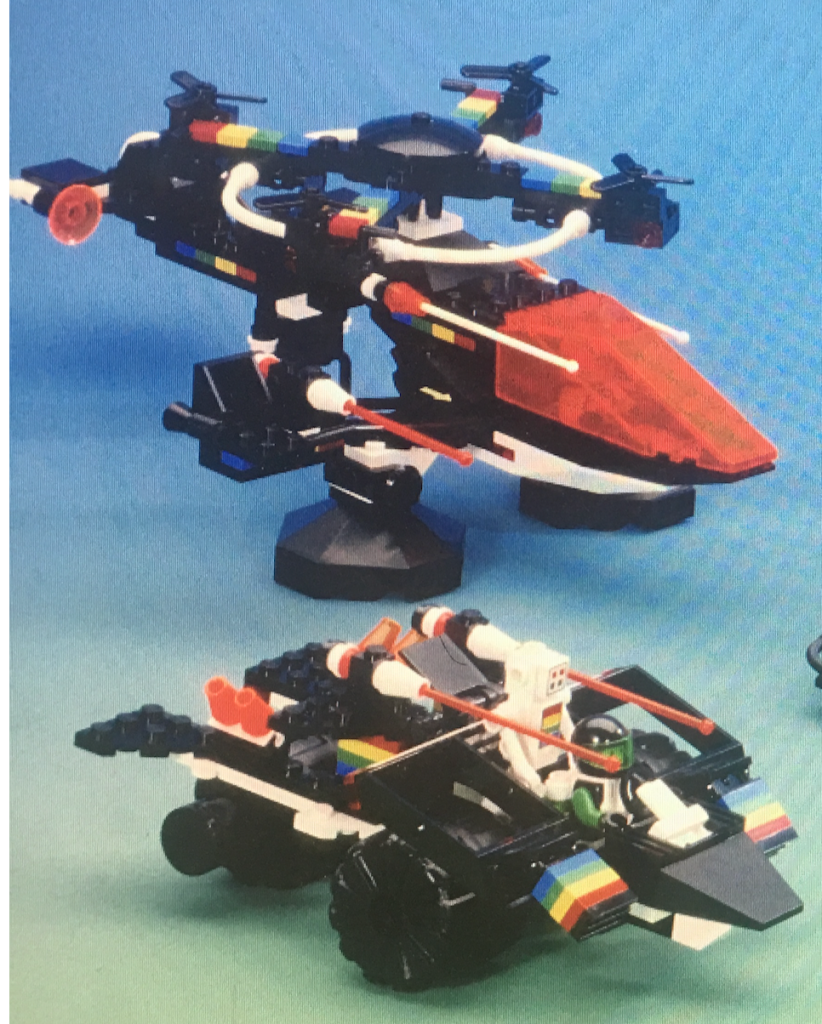
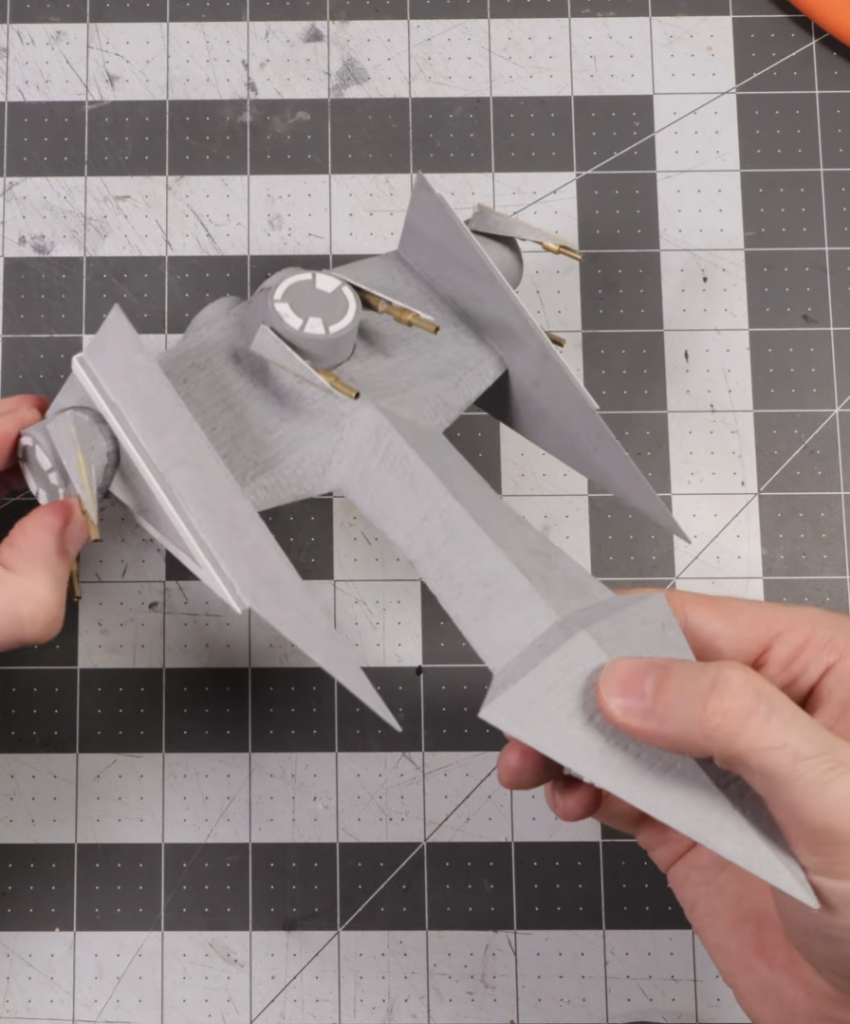
Archive of (unfortunately, links to) tons of papercraft models. Many red links. Someone posting this is what inspired the earlier post dredging up the DND models.

Notepad++ Hijacked by State-Sponsored Hackers (notepad-plus-plus.org)

Notepad ++ of all things was hacked. I’ve long since moved on to other text editors, but it’s wild to see something like this happen. One wonders who was using it that made it worth a state level actor attacking it.

The Hands Resist Him: did ebay auction a haunted painting (thethreepennyguginol.com)

I love this kind of lore dive. Would make a decent Endless Thread episode.

A goodbye to the Cape Cod Chip factory in Hyannis (wbur.org)

Time marches on, places disappear. I remember visiting this place, now it’s gone. Hope the employees find new gigs. Should they still call them cape cod chips? I suppose you could say the same of many brands…

www.baldurbjarnason.com/2026/paradox-of-tolerance/

Discusses the history of the “Unbound” publisher which put out Secret History Of Mac Gaming. Unfortunate that it turned out that way. I thought crowdfunding books was a neat idea.

Wikipedia blacklists Archive.today

Archive dot today has used its considerable traffic to execute a DDOS attack against a blogger that was apparently trying to track them down. This type of abuse of trust makes them dubious as a source of truth. The reality is though that they were mostly used to bypass paywalls.

haveibeenflocked.com

Check to see if your license plate has been part of a Flock search.

Child’s Play: Tech’s new generation and the end of thinking (harpers.org)

This has some undeniably funny moments even if it pulls punches more than it swings.

The billionaires’ eugenics project: how Epstein infiltrated Harvard, muzzled the humanities and preached master-race science (thenerve.news)

Presented without comment.

Lego Space 1978-1992 (Tim Johnson, 2023)

The cover of the book with some Lego characters added for flavor.

Apparently I am the coffee table book review guy now. I hesitated to pick this one up because I’d long ago scrutinized old catalogs and bricklink pages to learn about these old sets (and built a few of them even) so just seeing pictures wasn’t going to be revelatory, but I wanted to see what it had to offer.

Is the title appropriate?

My main complaint about this book is that it’s not quite what it says on the cover. It’s really three things:

  • Light biography of Jens Nygaard Knudson including behind the scenes information about Lego’s process.
  • An illustrated tour through the Space sets designed during his era with discussions especially about the elements and how they’re used.
  • A fanfic illustrating the type of things one might imagine while playing with lego sets.

The last item isn’t very engaging and I skipped most of it. It’s the type of thing that’s extremely fun to write and not necessarily what I want to read. Maybe there’s some larger story that emerges but the ones I did read were just vignettes. I don’t want to throw too much shade on a project clearly made with love.

The second item has some gems about pieces and is an interesting lens to look through but gets repetitive as the sets themselves get, well, repetitive. At times it felt like an exercise in trying to use as much aircraft jargon as possible or squeeze some sort of interest out of the third little seat with wings scooter vehicle we’ve seen. Reading that the rover is blue next to a photograph of a blue rover isn’t a great use of time. But don’t get me wrong, ‘this element was originally made for pirate ships’ is the type of interesting Lego lore I love. I really would have appreciated if the stat blocks listed the set’s designer though.

The the first, then, is the meat for the readers. It includes interviews with Lego employees from the era and other background color. What era you might ask? Knudsen’s era. What are they asked about? About the process yes, but also about Knudsen. I think a more appropriate title would have been “Lego Space: the Knudsen years.”

The Text

I’m going to focus on that piece. The Juice of this book, so to speak, is information about the creative work behind Space. But it’s also where I have the biggest bone to pick.

There’s interesting information on offer! Niels Milan Pederson says that he originally pushed for a Jules Verne 20000 leagues inspired Steampunk theme and that some of it was recycled into Aquazone (p28). Apparently Aquazone was designed in ’91 and ready to go before launching in ’95 without changes (p194) It should be noted that he sort of got his wish with the Stingrays which, despite the use of neon, have a fair bit of steampunk DNA with their browns and brassy prints.

The information that the famous light grid was an in-camera practical effect using converging wires to achieve the perspective look is really interesting and there’s definitely a magic to seeing how it was done.

Some of the the concepts are already well known having been printed in a highly recommended Brick Journal article a decade ago. Lots of M tron concepts on p155 and some amazing never before seen concepts on p156 and 157. And the fact that half of the concept shots are already known is a symptom: the era this book focuses on has been covered extensively in the past.

Is this enough juice to carry a whole book? I’m skeptical.

I still haven’t found my Lego Book

Several vintage Lego figures illustrating themes not covered in the book

For me personally, I’m once again left unsatisfied because they only covered the first half of Lego Space and neglected the more vibrant and colorful second half. None of the themes in that picture get treatment. Because it’s really about Knudson it for the most part misses the era of Space I find most interesting, 1990-2002. We get a (much appreciated) interview with Jørn Thomsen, but I want a full book devoted to his designs!

DnD Papercraft Buildings (2004)

Someone was asking for papercraft RPG/tabletop terrain, and I of course flashed back to a publication called the “Map Folio 3D” from the DnD 3.5 era. Papercraft DnD-scaled buildings on cardstock. I’ve unfortunately long since ditched the structures, but Wizards uploaded them as PDFs back in ’04 (and why shouldn’t they have; they were selling books after all, not papercraft hobby supplies.)

I was able to dredge a few out of the archive before it started going down (again, apparently) today (see edit below), and I’ll present them here. You may have better luck, I’ll update this if the archive ever comes back up (and, more than likely, move the whole collection there or to some other more appropriate hosting.)

Seeing them again is quite nostalgic. They have the same hard to describe texture feel that other DnD 3/3.5 era maps had. Early digital photorealistic illustration… core?

Edit: The Wayback Machine was running again, I got the rest

(no PDF was in the archive for this one, so it’s presented as two JPEGs.)

Retro Favicon

Let’s talk about something absolutely frivolous today. The tiny icon displayed in your broswer for sites, which is called a “favicon.” This is the original favicon I made in 2014 when I first set up a website. I believe I just popped open GIMP, threw in a serif typeface and spelled out my initials.

all caps E M R

This is fine, though bland. It served me well until I busted it on my webserver setup and started serving the whole site on favicon.ico (oops!) Fixing it has given me an opportunity to make something new. Still black text on a white field (until such a time as I find a new color scheme) and still my initials. But I wanted to pick a more unique typeface. Something that really spoke to me.

When I was first exposed to computer typography it seemed like a good idea to use zany fonts in the school papers I submitted. One I probably used the most was called Techno by David Berlow. I certainly remember the feel of a full paper written in Techno–not particularly legible (especially with my atrocious grade-school spelling) but extremely slick and modern looking. It loudly proclaimed itself as something you typed into one of these amazing ‘computer’ machines (or perhaps into the microscopic screen of an alphasmart.) All that optimism and retro cred was perfect. Techno was the font for me. So I went to see if anyone had uploaded it…

Nope! It still seemed to only exist as something you could use on Classic Mac OS, the long-gone operating system last seen on the iconic G3 iMac. I saw some fonts that appeared close (ie here) but the kerning was wrong and the name is unfortunately used to refer to a type of futuristic font instead of the specific one I was looking for so googling was getting me nowhere. And I’m not the only one who was looking for it either! Luckily, we can emulate an iMac and run OS9 to create an image.

Screenshot of Microsoft Word with 'e m r' written out in the font discussed. It's running in an emulated MacOS 9 environment so everything looks charmingly retro.

With a little bit of cropping and tweaking on the capital E, we have a new favicon:

all caps E M R but in a new font

I could stop there, but needing to emulate a twenty seven year old operating system just to get a font isn’t an adventure for everyone, so why not bring these fonts into the present? Simply copying the font files out will result in resource fork problems but luckily there was a period correct app called Font Clerk which could convert them into regular true type fonts. Here are the fonts on internet archive for your enjoyment. There may be a couple of extras in there because I installed Microsoft Word to get the above screenshot.

Screenshot of a modern system showing the retro font available for use